91st Oscar Nominations
Links to all the screenplays
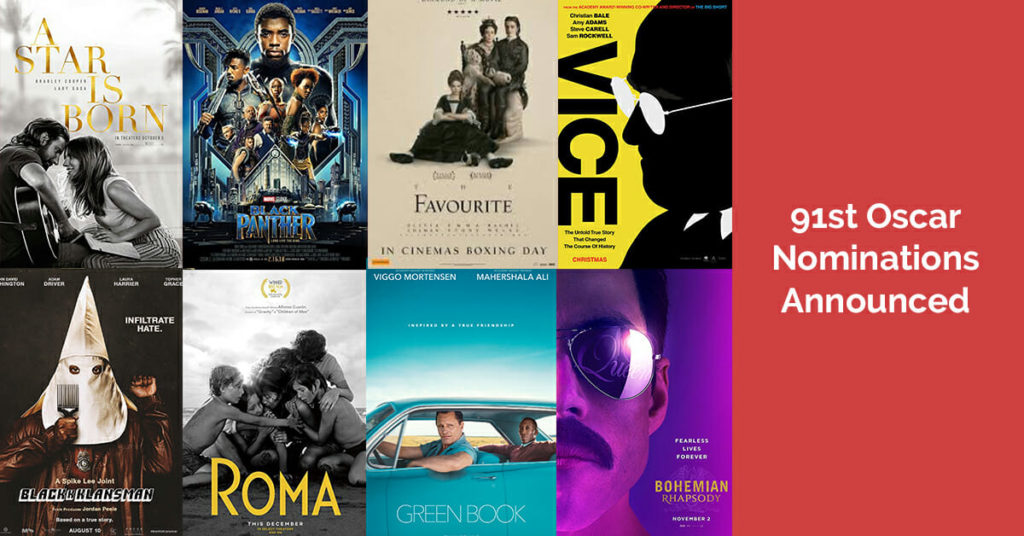
Click through to find and download the screenplays for most nominees!
https://thescriptlab.com/industry-news/10194-91st-oscars-nominations-announced/
Links to all the screenplays
Click through to find and download the screenplays for most nominees!
https://thescriptlab.com/industry-news/10194-91st-oscars-nominations-announced/
The Rochester Association for Film Arts and Sciences presents a short script competition open to all residents of upstate NY. Enter to win one of three copies of FINAL DRAFT, as well as a table reading of your script by experienced actors before a live audience.
This is a great opportunity to hear your work and the scripts of other writers performed by dedicated actors!
Write something new, or fix up a screenplay you’ve had in the drawer. But don’t delay! Deadline for entry is February 28. Table reading will be scheduled for an evening in April.
Each screenplay submitted will receive a written critique of their work. First, second, and third place winners will have their screenplays presented at a public table read at the Wegmans Magic Spell Theater at the Rochester Institute of Technology. In addition, the three winners will receive a copy of Final Draft 11.
The cost for each entry is $25. Proceeds go to Rochester Association for Film Arts and Sciences, a not for profit educational corporation run entirely by volunteers.
For full rules, see our listing at https://filmfreeway.com/scriptitude
For more about the Rochester Association for Film Arts and Sciences, visit http://rafasny.org
RAFAS is an educational organization, and we believe in sharing our knowledge with those interested in all aspects of filmmaking. Through the Rochester Writers Workshop, we meet with writers and discuss screenwriting in depth. If you are in the Rochester area, come to one of our Wednesday night meetings! Details are at https://www.rwwny.org
Submit your screenplay PDF at https://filmfreeway.com/scriptitude

This video from Film Courage features screenwriters talking about story, character, conflict, and more.
See the video below:
There’s a new podcast about screenwriting. It’s short and sweet. I’m recommending Episode 5, as it’s about choice. Co-host C. Robert Cargill (Doctor Strange) talks about how to zero in on the best story you can tell, whether you start with a plot idea or a character. And of course the resulting story hinges on the choices a character makes.
Listen at https://writealongpodcast.com/2018/11/30/ep-5-we-are-our-choices/

Michael Arndt is the Oscar-winning screenwriter for Little Miss Sunshine and Toy Story 3. In this 8 minute video, he talks about the challenges of starting a screenplay, akin to climbing a mountain. Terrific break-down!
See the video at https://vimeo.com/237921575
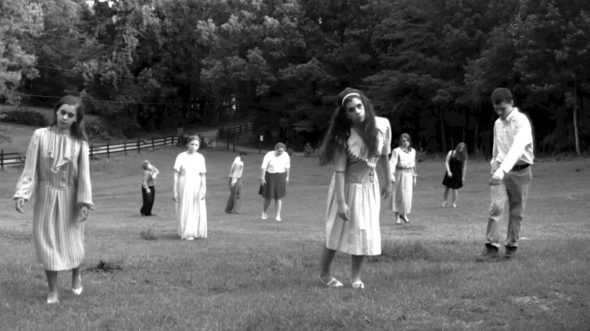
In honor of Halloween, here’s an article by Karina Wilson posted on the Bluecat Screenplay website:
“The final stage of the action should go all out, with the protagonist drawing on every resource they have to escape — or defeat — the Threat, which responds by attacking with a viciousness we haven’t seen before.”
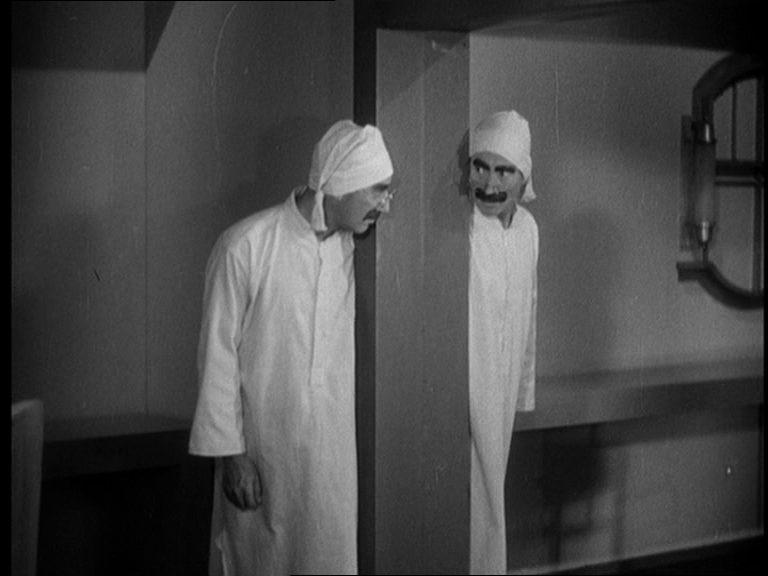
This week’s Scriptnotes podcast covers writing two things happening at the same time. How does a writer cut back and forth between simultaneous events without confusing the reader?
Find out more at https://johnaugust.com/2018/two-things-at-the-same-time
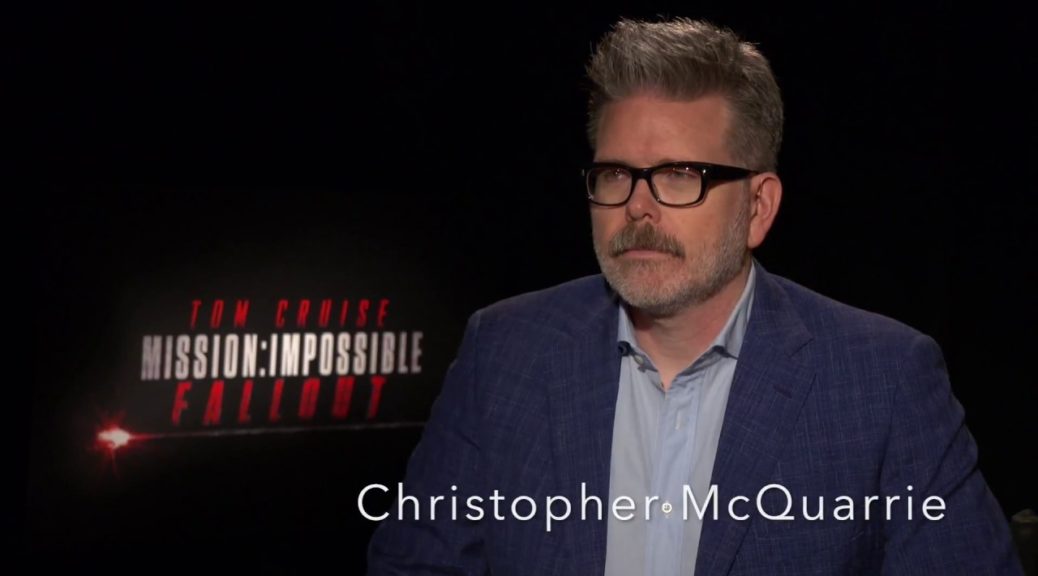
Empire Magazine has a pretty terrific podcast, as I’ve just discovered. And one thing they’re making a habit of is long-form interviews with writer/director Christopher McQuarrie.
You can listen to him discuss (at length) the making of Mission Impossible: Fallout for nearly 6 hours! Most of it is gold. These were two separate interviews, so I forgive him for repeating one or two stories.
From a screenwriting point of view, it’s interesting to discover how much they back into, based on the globe-trotting action set-pieces. For example, they knew they wanted a helicopter chase. They found a country that would let them do it, then they came up with a plot reason for the characters to be there. So the screenplay was secondary to the locations.
McQuarrie’s approach to the villain was similar. Find out what he wanted him to do, then write the plot and motivations to support the end result. Not always the way screenwriters work.
Here’s Part 1.
Here’s Part 3. (There is no Part 2. Well, there’s a Part 2 episode, but it’s the Empire journalists gabbing, with a preview of the Part 3 interview.)
And if that’s not enough, you can go back in time and listen to McQuarrie talk Mission Impossible: Rogue Nation here.

Don’t get carried away with description. Remember, a page should equal about a minute of screen time. If you have a lot of action, be economical with how you describe it, and break up the key moments into new paragraphs.
Also, don’t let those characters monologue too often. There’s a difference between the style of speech in plays and movies.
Read more about “white space” at Screencraft.org
Each of your characters should have a unique way of talking. Writing a British character? Get the language right! Here in the USA, we might say elevator, apartment, and flashlight, but across the pond it’s lift, flat, and torch. This video from Vanity Fair gets into some other saucy slang:
